Behind the invitation
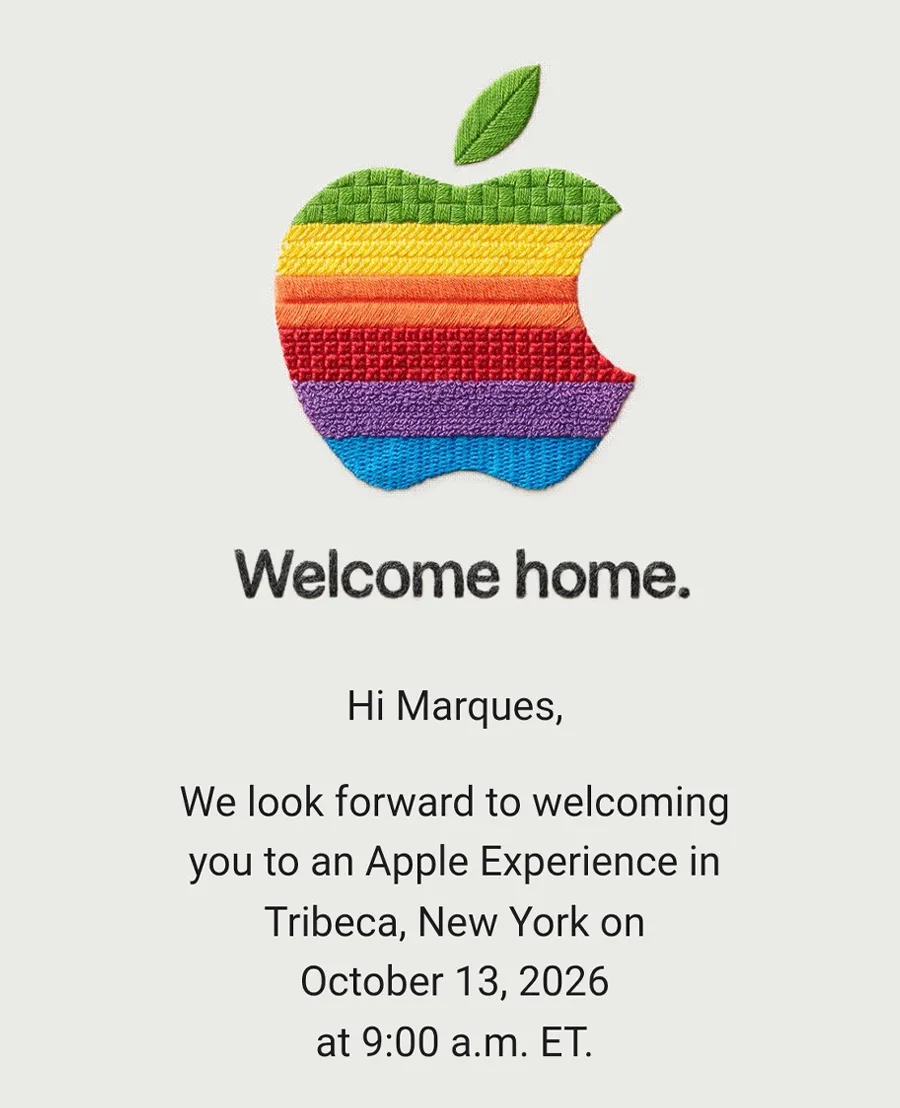
The invitation was short: Welcome home. October 13. Greg Joswiak posted it on X on October 8, and the location was New York rather than Apple Park. As with the March Apple Experience, Apple held a hands-on session for the press instead of a livestreamed keynote, and published the news on its Newsroom the same morning.
The theme was obvious. For several years, reports had described an Apple smart home display, delayed in part by the wait for a smarter Siri. With Siri AI introduced at WWDC26, the home was finally ready.
What Apple showed
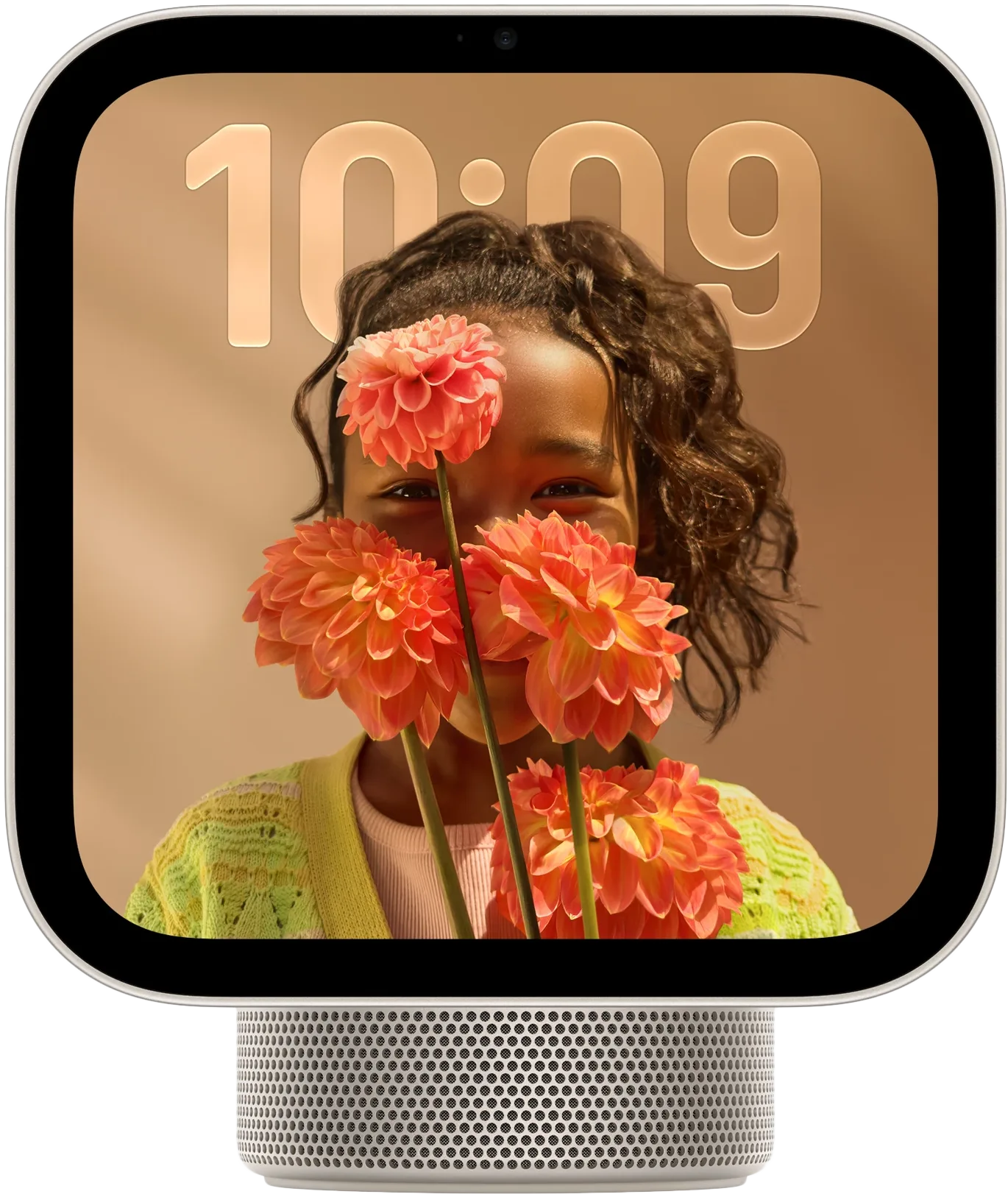
The headliner was Apple HomeView, Apple's first smart home hub, with a 7-inch display that can sit on a table or mount on a wall. It handles multiroom audio, FaceTime calls, home cameras and automations by voice, with Siri AI at its core. Unusually for an Apple device with a screen, it launched without an App Store. It costs $299 and comes in four colors.
The other announcements:
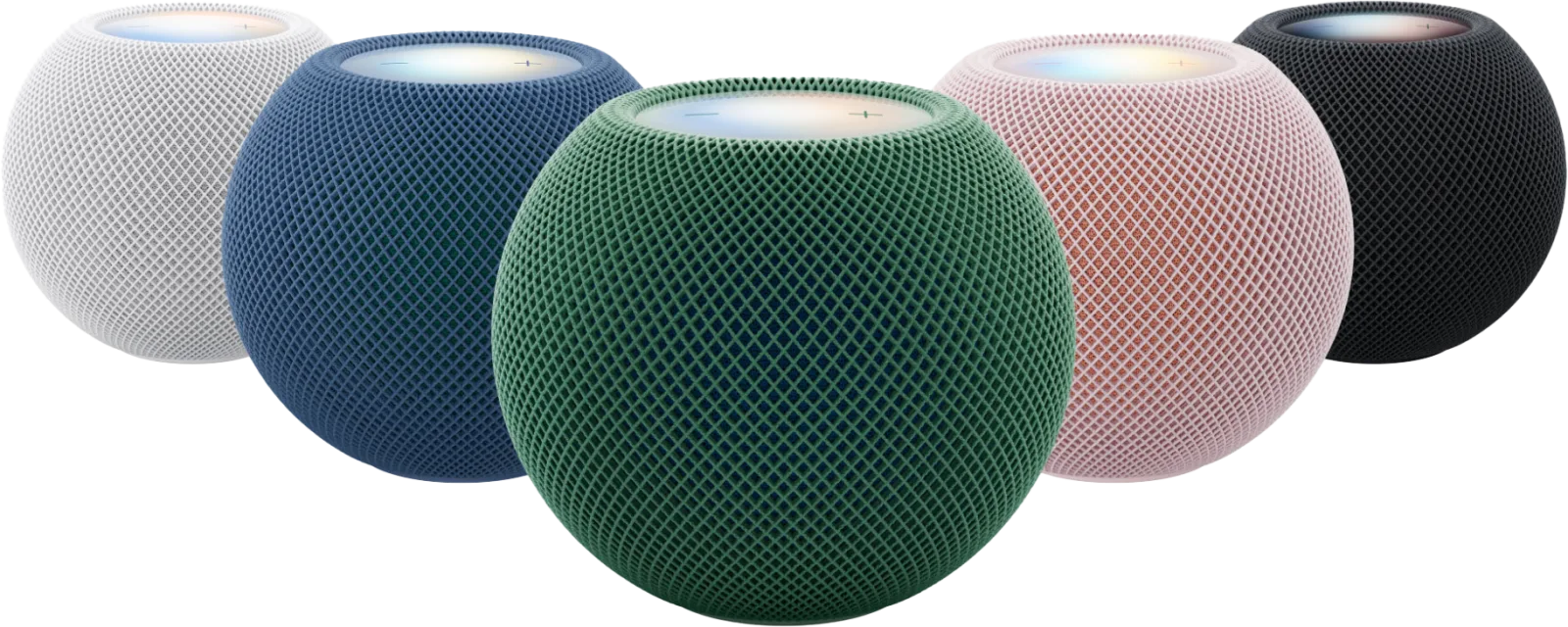
- HomePod mini 2 with the S10 chip, a top called Sound Glow that animates with the music using colors from the album art, and Siri AI in a future update, at $149.
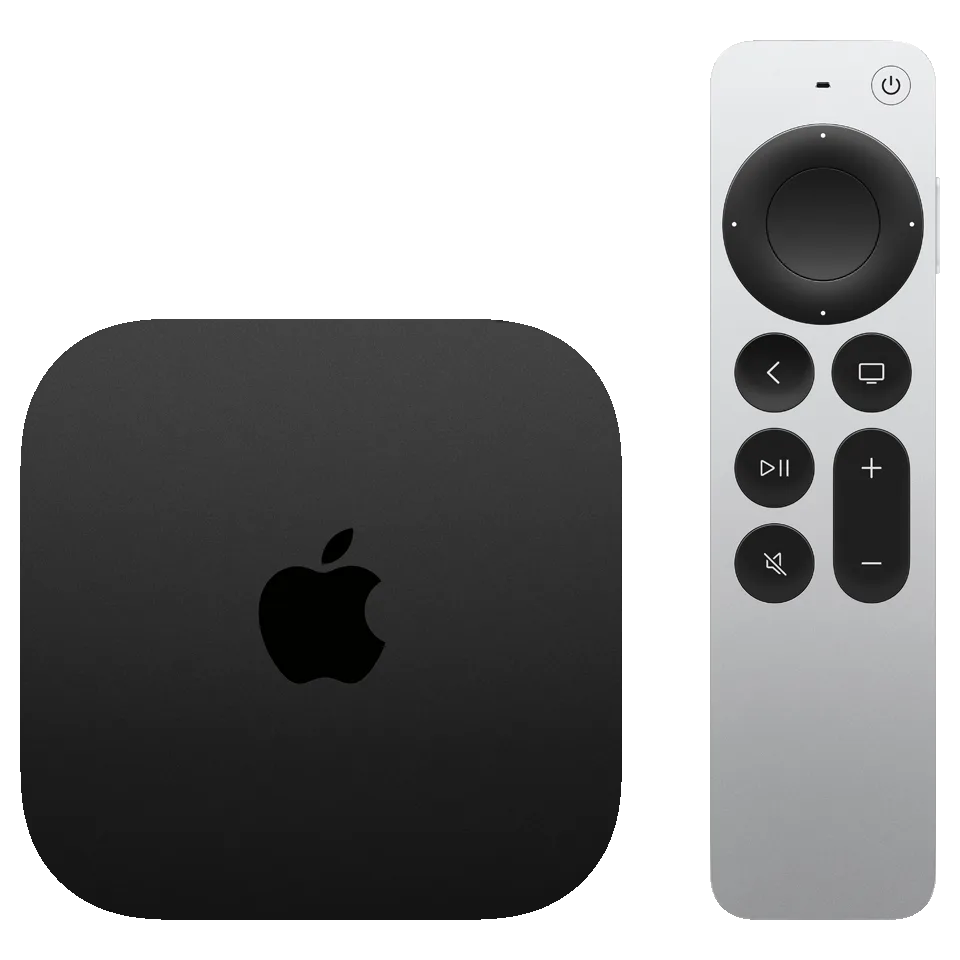
- Apple TV 4K (4th generation) with the A19 chip, far-field microphones for hands-free Siri, an AV1 decoder and a Siri Remote you can find with Precision Finding, at $299.
- Four-speaker surround sound, pairing four HomePod mini 2 speakers with the new Apple TV, which calibrate themselves to the room.
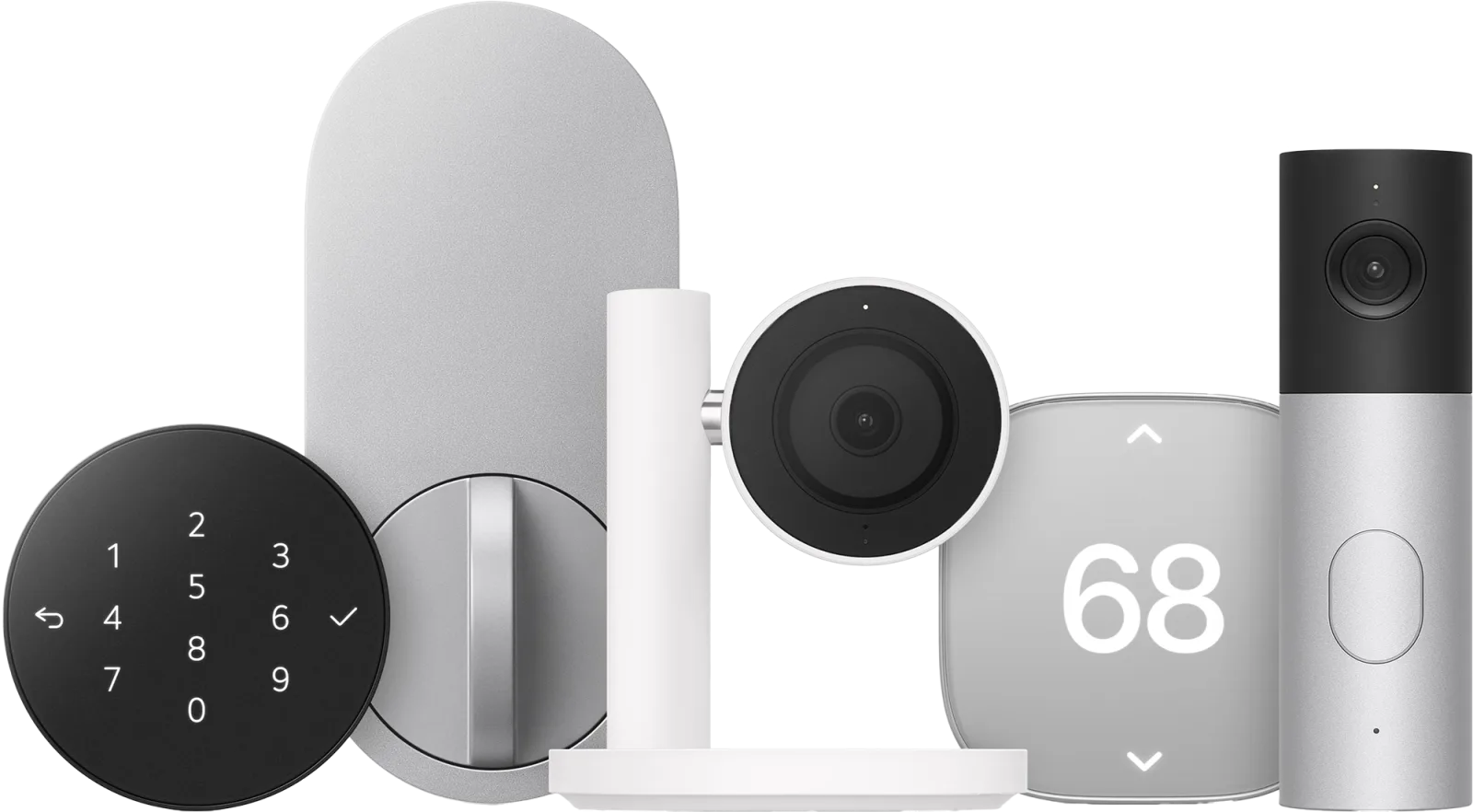
- The Apple Home Collection, a range of cameras, thermostats, sensors and a door lock made with LG Electronics and Schneider Electric.
The reaction, then and now
HomeView was Apple's first new product category since Apple Vision Pro, and most attention went to whether Siri AI could carry a device with no App Store. The prices drew just as much discussion. After Apple raised prices on its home products in June 2026, the new Apple TV cost more than twice what the entry model had cost before that increase, and HomePod mini, $99 at launch in 2020, moved to $149.
Welcome home was Apple's way of saying it was taking the smart home seriously, with its own hardware, its own assistant and partners for the rest of the house. See the full Home timeline.