The online keynote era
How a pandemic turned Apple's live keynotes into films, and why Apple kept the format long after audiences returned to Apple Park.
By Invite Archive · October 27, 2026 · 4 min read
The last time Apple introduced an iPhone live on stage, in front of an audience, was By innovation only in September 2019. Nobody knew it at the time. Six months later the COVID-19 pandemic closed Apple Park to visitors, and Apple had to find another way to hold its keynotes. The solution it chose, a pre-recorded film streamed to everyone at once, outlasted the pandemic by years. Every Apple Event and WWDC keynote in this archive since June 2020, 21 of them, has followed the same model.
Full stream ahead
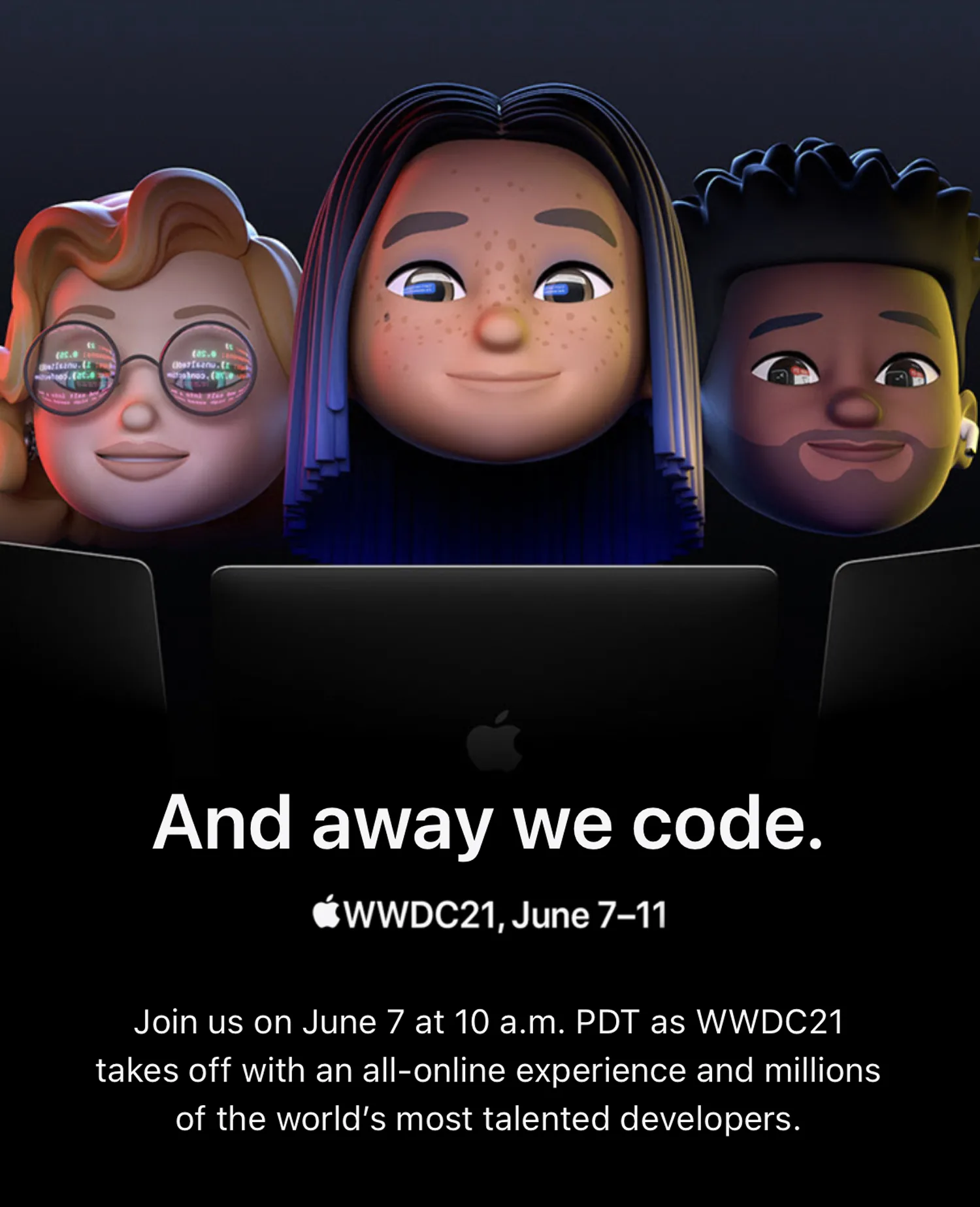
In March 2020, Apple announced that WWDC would be held entirely online for the first time in its history. The invitation for June 22 turned that into a slogan: Full stream ahead. The keynote for WWDC20 was free for anyone to watch, and it carried one of the biggest announcements of the decade, the move of the Mac from Intel to Apple's own chips.


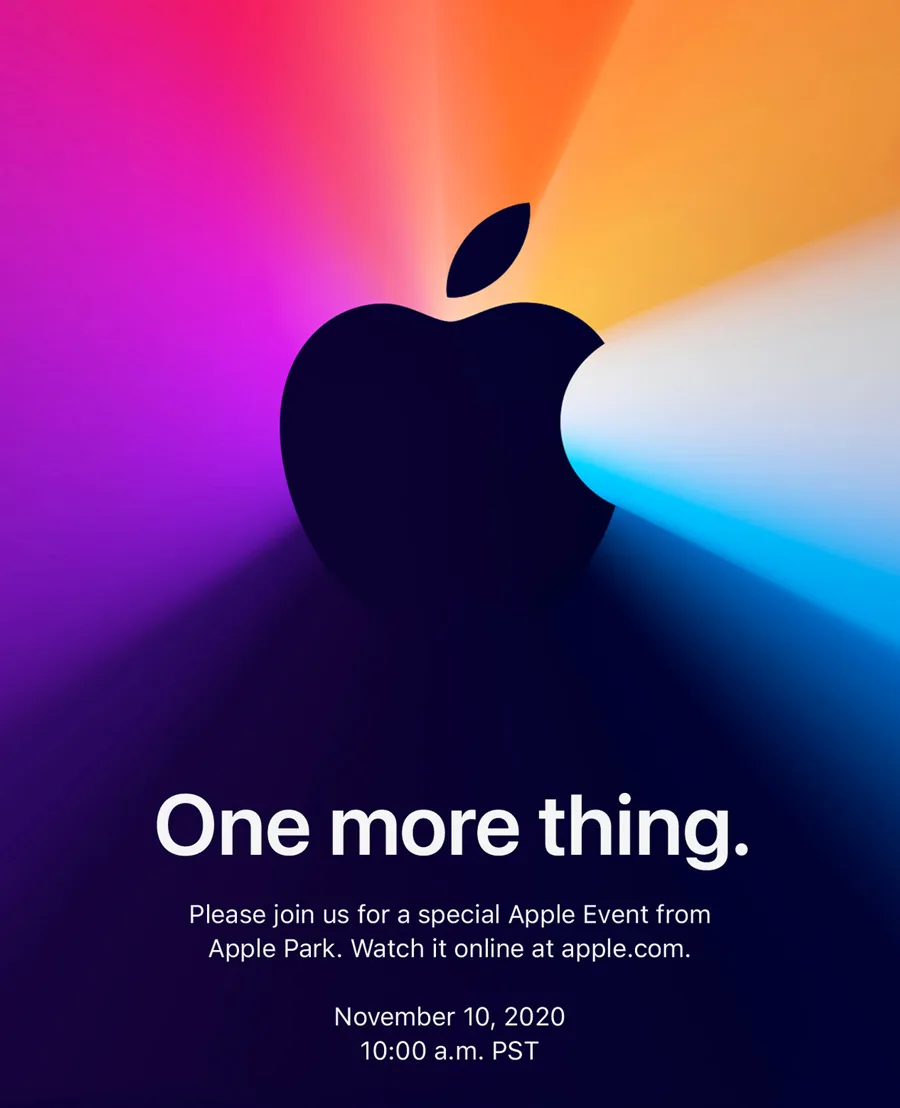
That fall, Apple held three online events in three months. Time Flies in September had no iPhone, because Apple had already told investors the new models would be late. Hi, Speed brought the iPhone 12 lineup in October, the only year in the archive since 2012 without a September iPhone. And One more thing in November introduced M1, keeping the promise Apple had made at WWDC.
A new kind of keynote
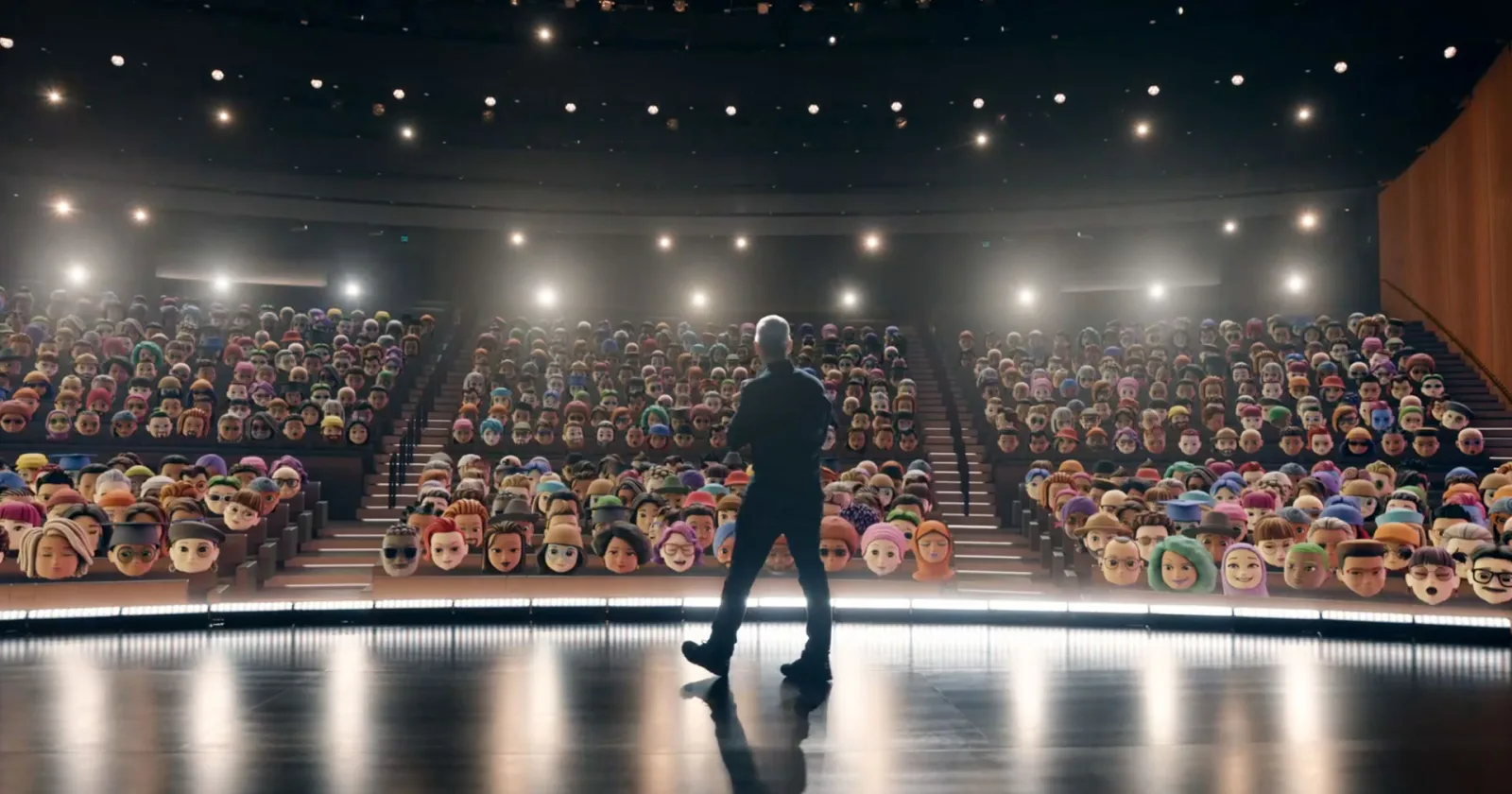
The films looked nothing like the old stage shows. Presenters walked through the empty Steve Jobs Theater, across the grounds of Apple Park and into labs, with fast cuts from one location to the next. There was no applause to wait for and no demo that could fail, the risk that famously caught up with Steve Jobs at WWDC10, when hundreds of Wi-Fi hotspots in the audience overloaded the network during the iPhone 4 demo.
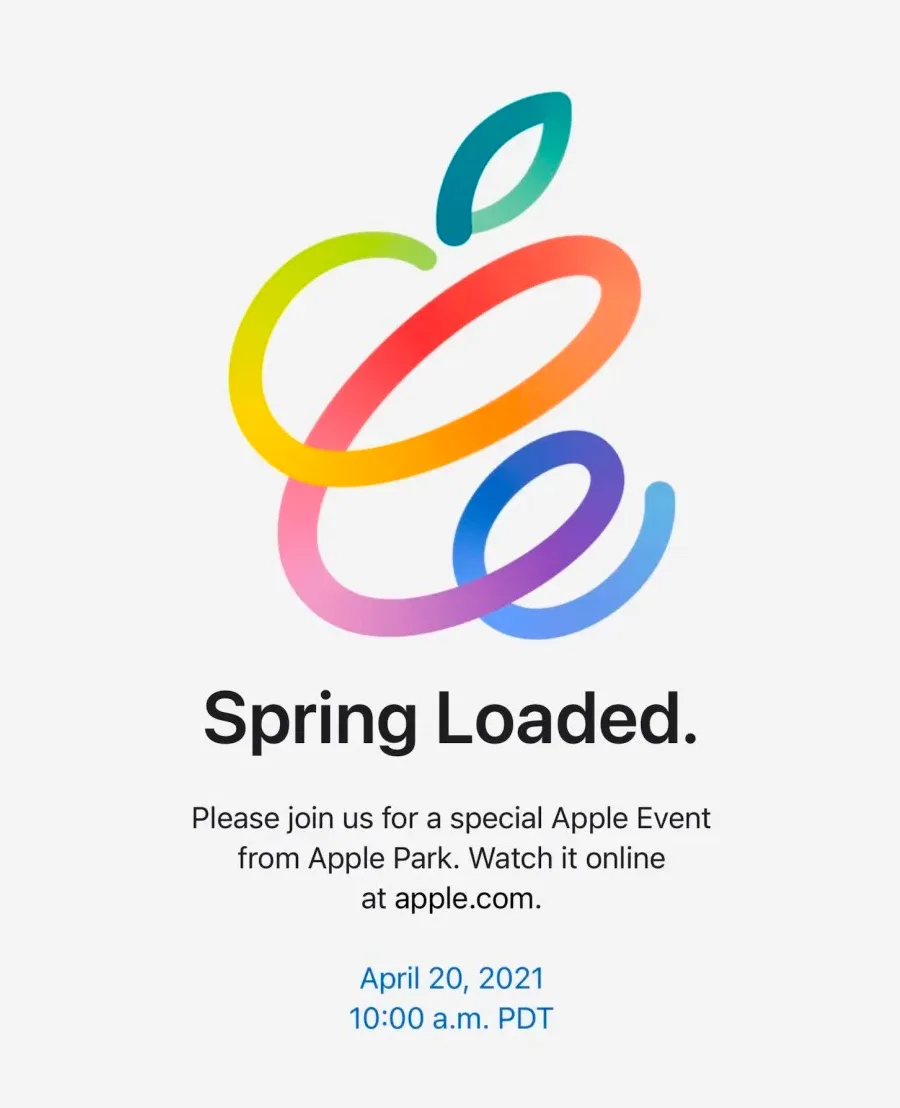
All four events of 2021 were online, from Spring Loaded in April to Unleashed in October. Apple played with the format in its invitations and posts. On the morning of California streaming, Tim Cook wrote "Good morning from somewhere a little different this time."


The audience returns, the film stays
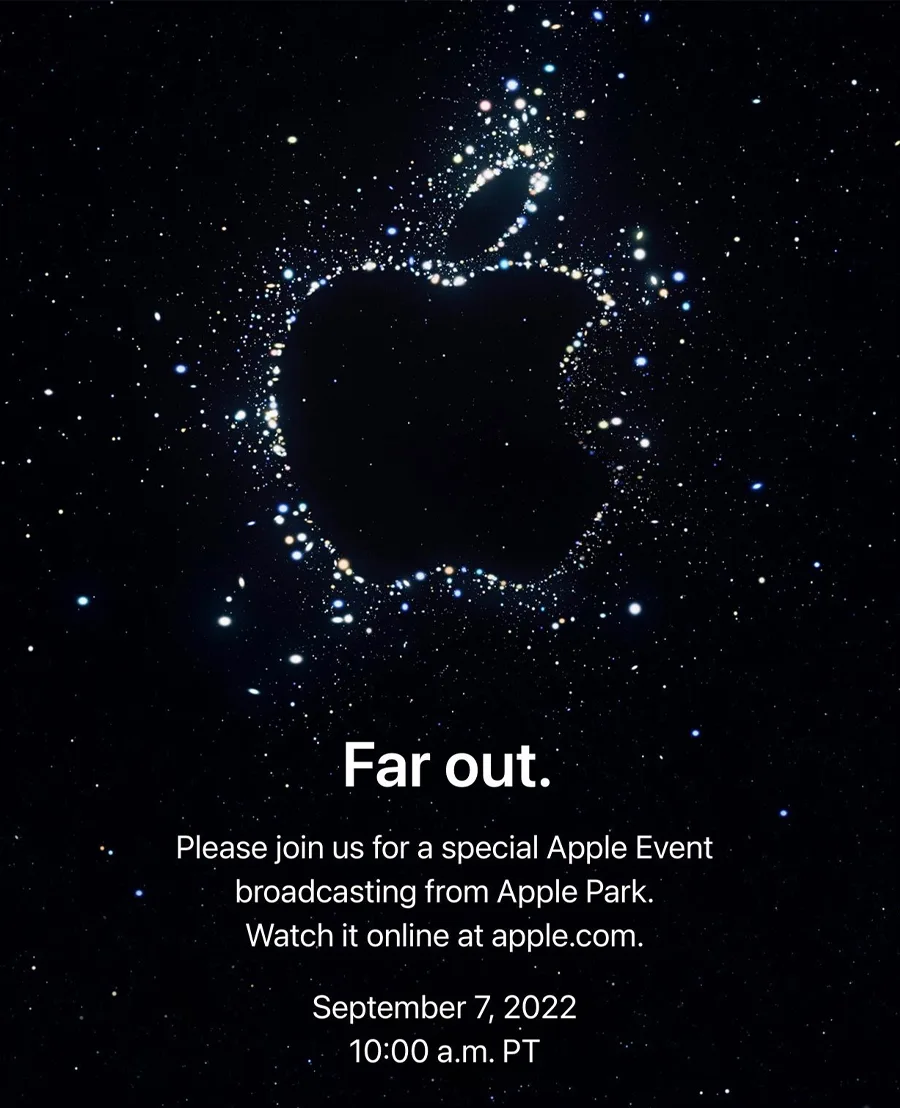
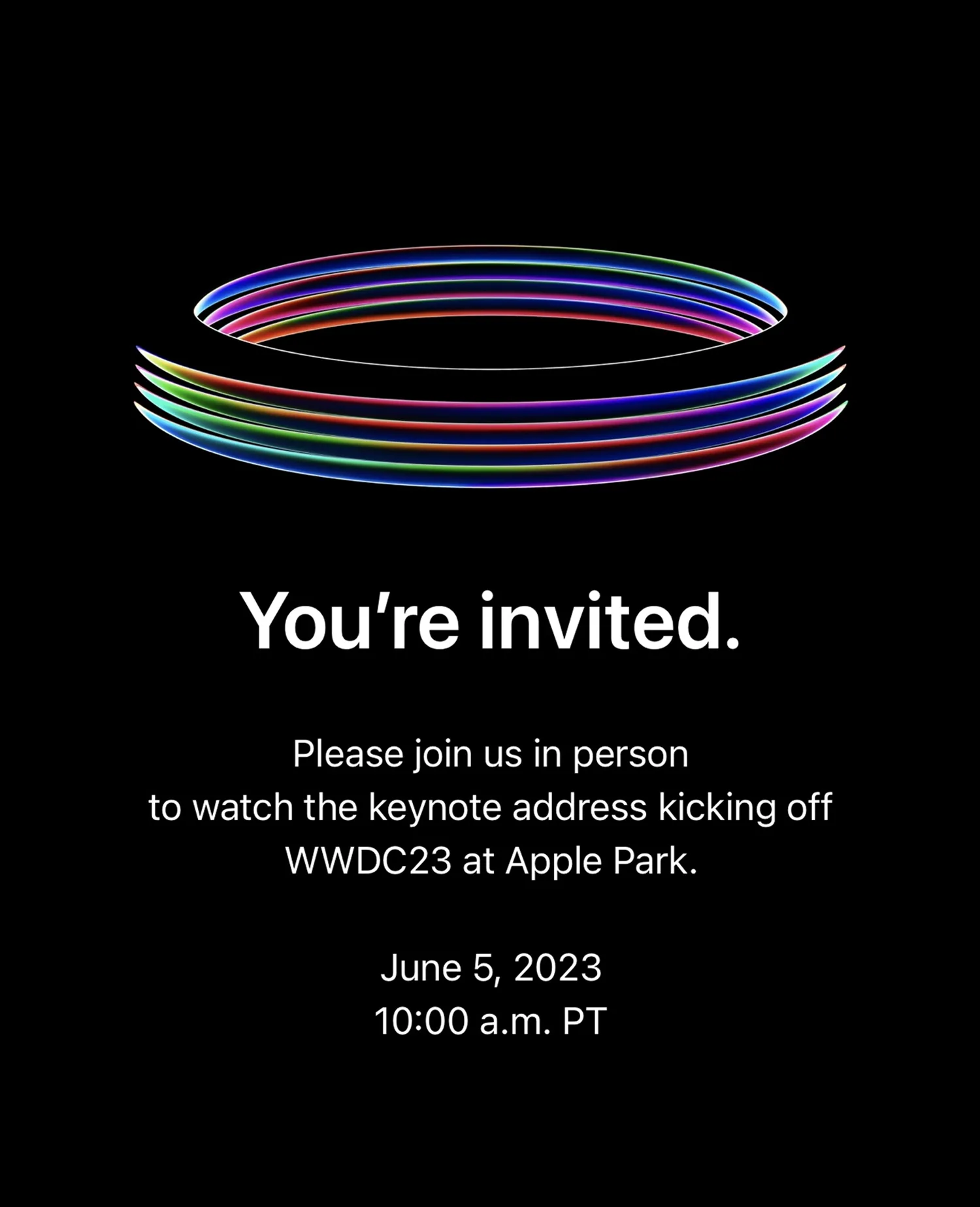
The first step back came at WWDC22, when Apple invited a limited group of developers and students to Apple Park to watch the keynote together. Three months later, for Far out, the press returned to Apple Park for the first time since 2019 to watch the event and try the products.
What didn't return was the live stage. The audience at Apple Park now watches the same pre-recorded film as everyone at home, then moves to a hands-on area. The archive marks these events as hybrid: in person for the guests, online for the presentation. Every WWDC and September event since 2022 has worked this way.


What a film makes possible
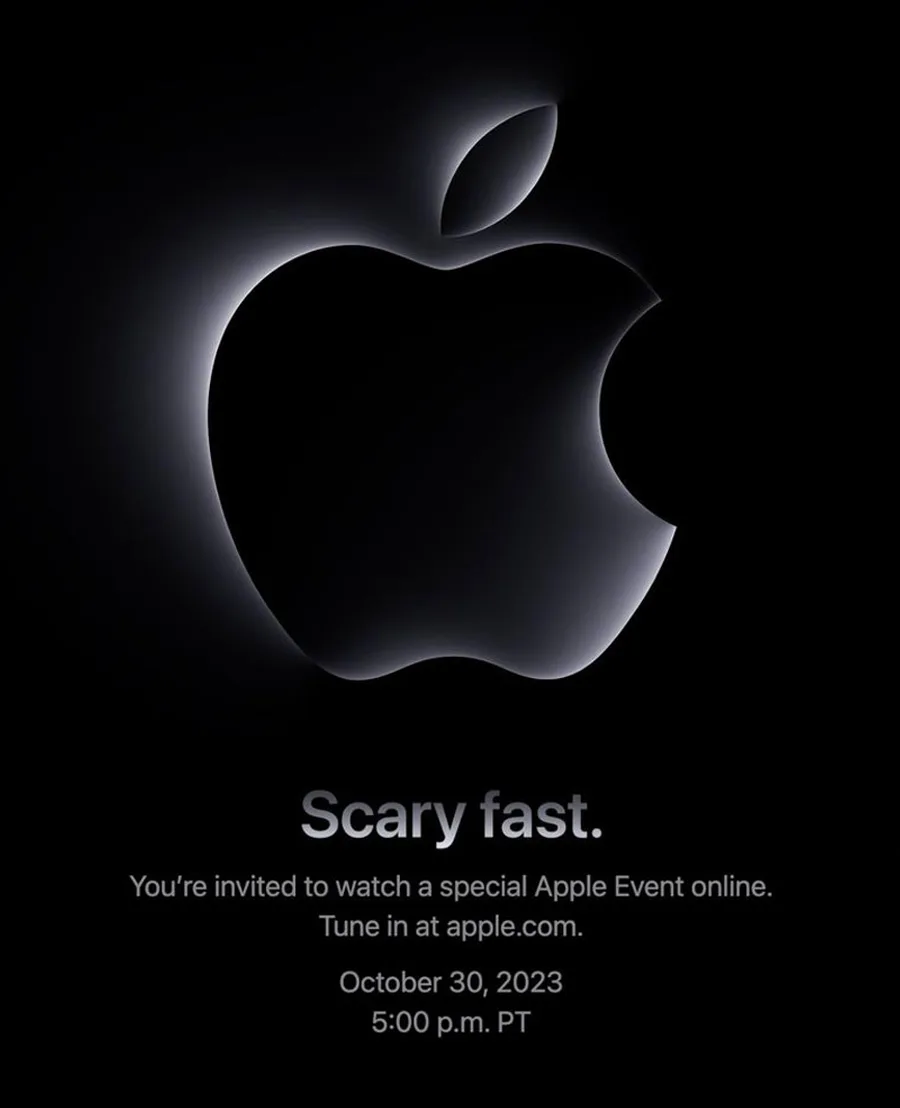
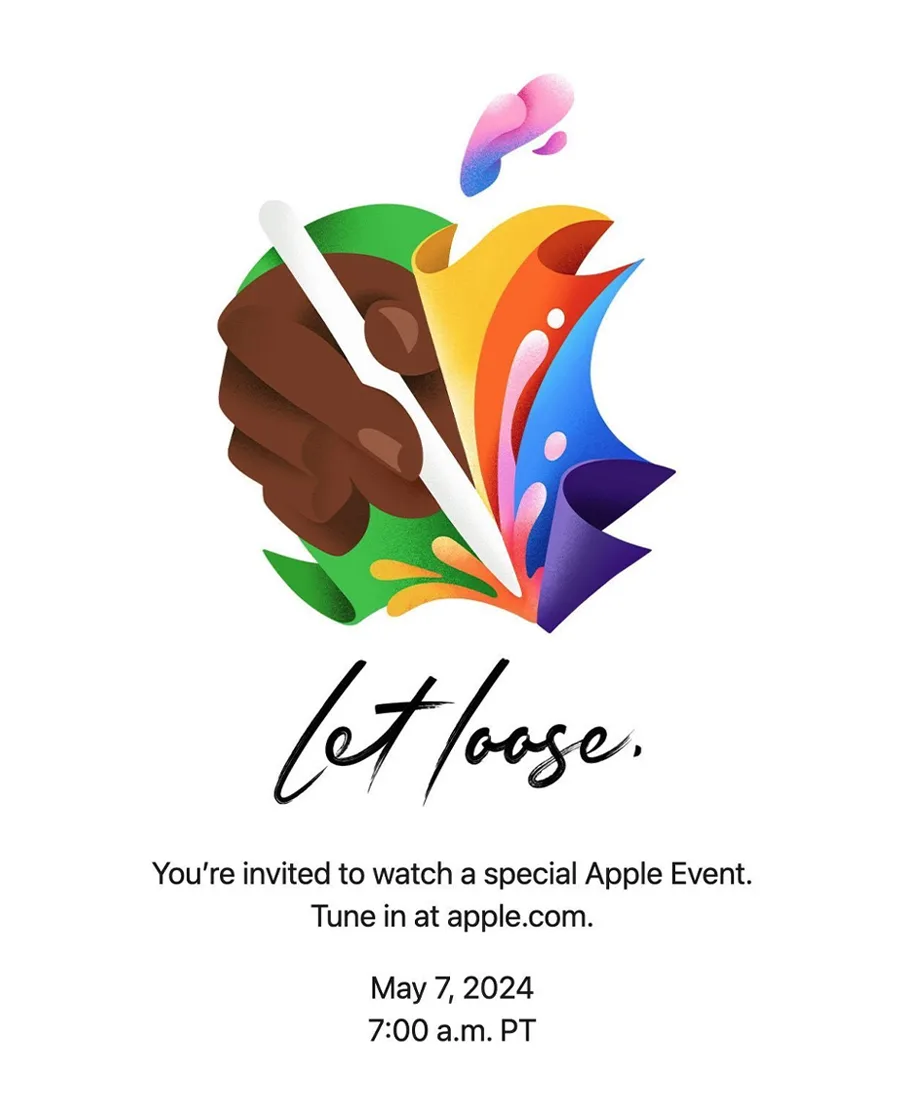
Freed from a live room, Apple started to treat the keynote itself as part of the message. Scary fast began at 5 p.m. Pacific, the night before Halloween, instead of Apple's usual 10 a.m., and ended with a reveal: the whole event had been shot on iPhone 15 Pro Max and edited on a Mac. Let loose in May 2024 started at 7 a.m. Pacific.
Films can also be short. Scary fast lasted about half an hour, enough for a new family of chips and two Macs. An event no longer had to be long enough to justify flying the press to California.
No keynote at all
Once a keynote was a film, the next step was to skip the film for smaller news. In October 2024, Apple held no Mac event. Instead it released one new Mac each morning for three days, with press releases and videos on its Newsroom. In February 2025, iPhone 16e arrived the same way, announced a few days earlier by a short teaser from Tim Cook on X, and in October 2025 the M5 chip came to three products with no presentation at all. The archive calls these Apple Launches.
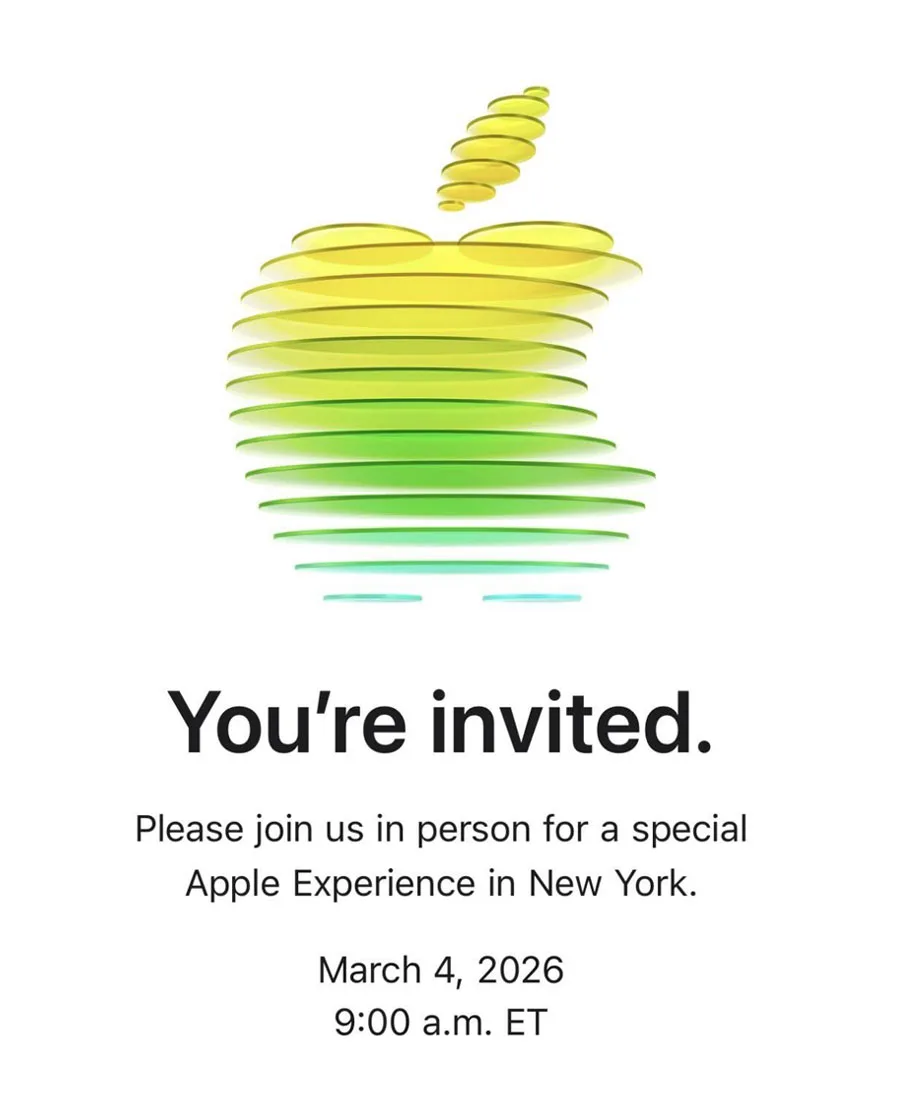
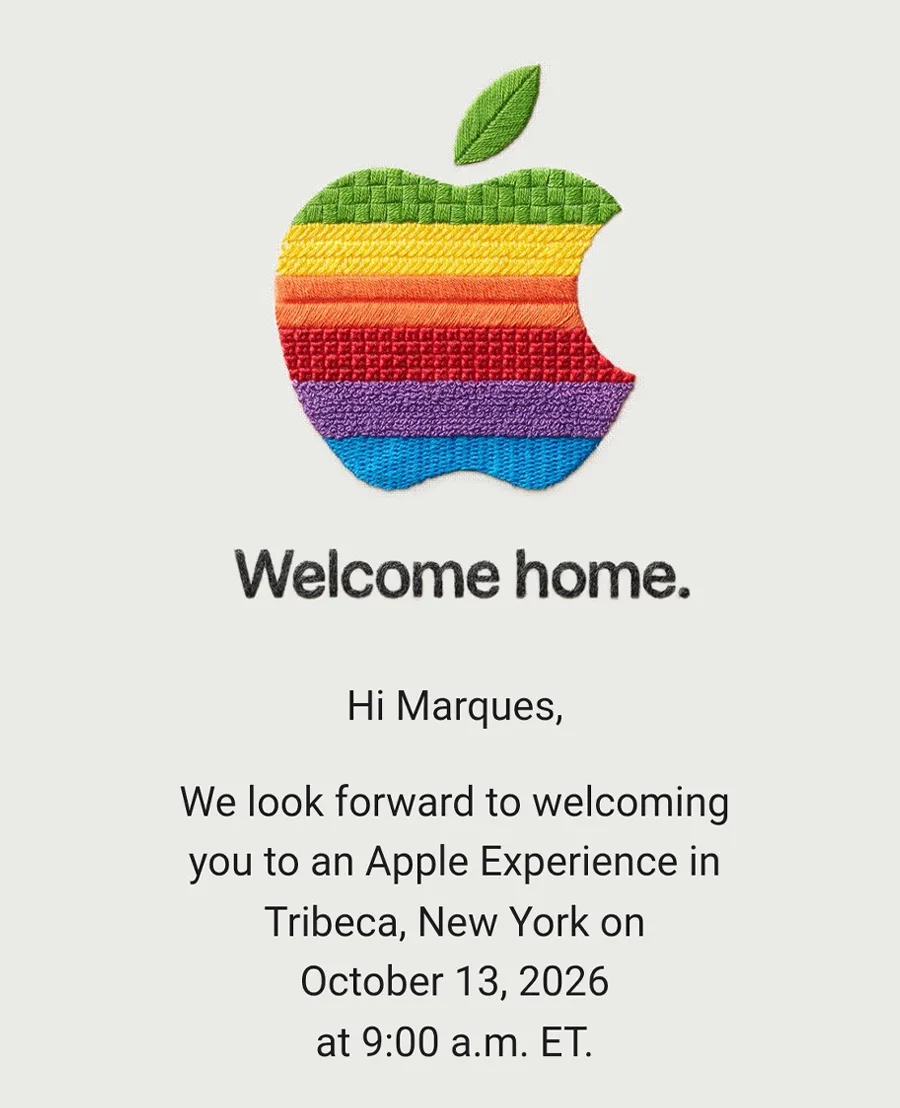
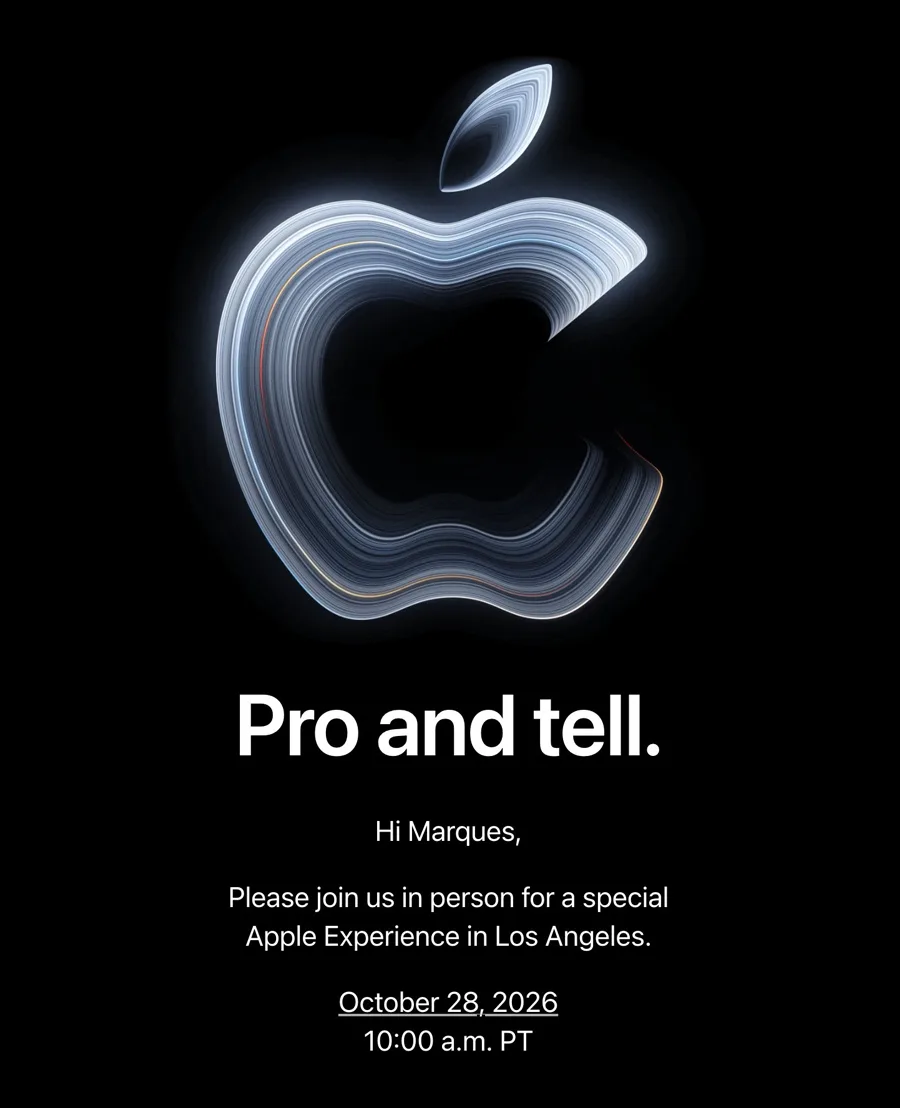
In 2026 Apple added another format, the Apple Experience. For You're invited in March, Apple invited journalists to hands-on sessions in New York, London and Shanghai at the same time, with no livestream, at the end of a week of daily announcements. Welcome home followed in New York in October, and Pro and tell is set for Los Angeles on October 28.

What changed, and what didn't
Looking across the archive, the online era changed how Apple presents, not how it invites. Every keynote still begins with an invitation, a date and a line of text that hints without telling. The difference is what the invitation leads to. Before 2020 it meant a seat in a theater and a live show. Today it can mean a film everyone watches at the same moment, a hands-on room in another city, or simply a morning of press releases.
Apple now chooses the format to fit the news. The biggest moments of the year, WWDC in June and iPhone in September, still get a full film and an audience at Apple Park. Smaller updates get a launch week or an Experience. Since 2020, the stage of the Steve Jobs Theater has been a film set rather than a place to perform live.