A history of Apple’s invitations
Twenty-five years of Apple event invitations, from Hint: It’s not a Mac to multi-city Apple Experiences, and what they reveal about how Apple tells its stories.
By Invite Archive · October 26, 2026 · 4 min read
Every Apple event begins the same way: a few days or weeks before, journalists receive an invitation with a date, a place and a line of text that almost never says what will be announced. Invite Archive has collected 86 of these events, from 2001 to 2026. Read together, the invitations tell a story of their own, about how Apple talks about itself, how it builds anticipation, and how the event itself changed from a stage show in a convention hall to a film streamed to the world.
The early years: sentences that teased
The oldest invitation in the archive is also one of the most famous. In October 2001, Apple invited the press to its Cupertino campus with a line that read like a riddle: Hint: It's not a Mac. It introduced iPod.
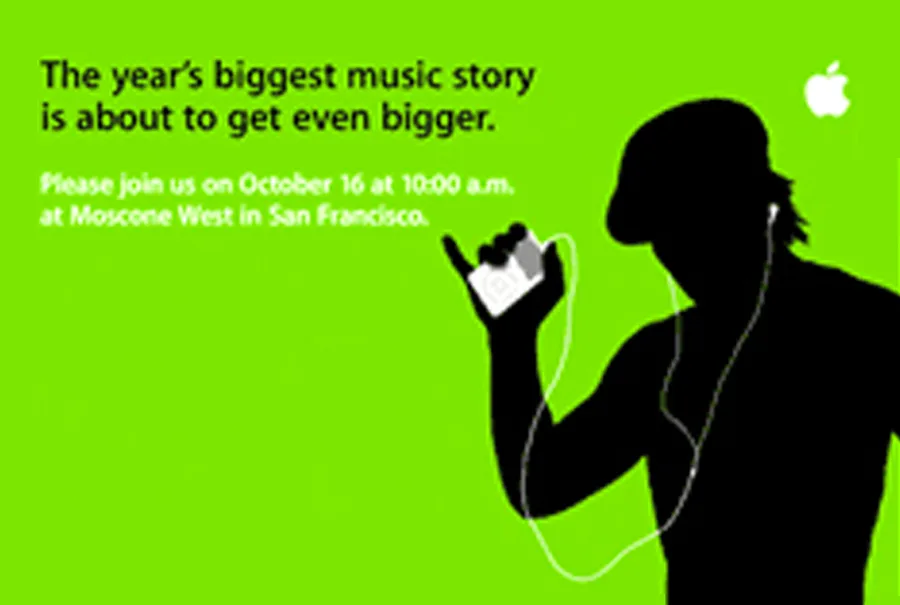
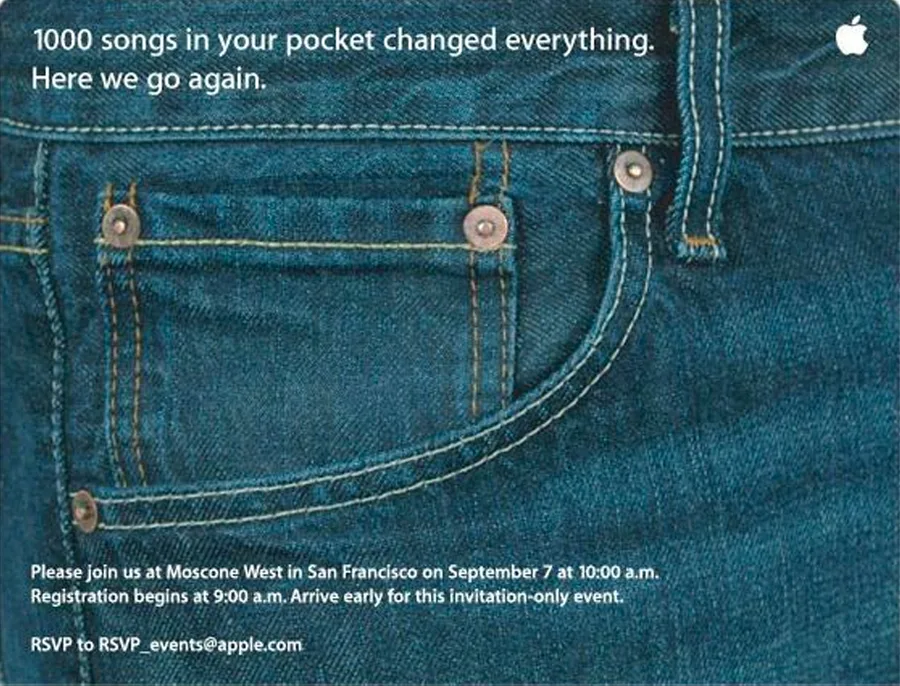

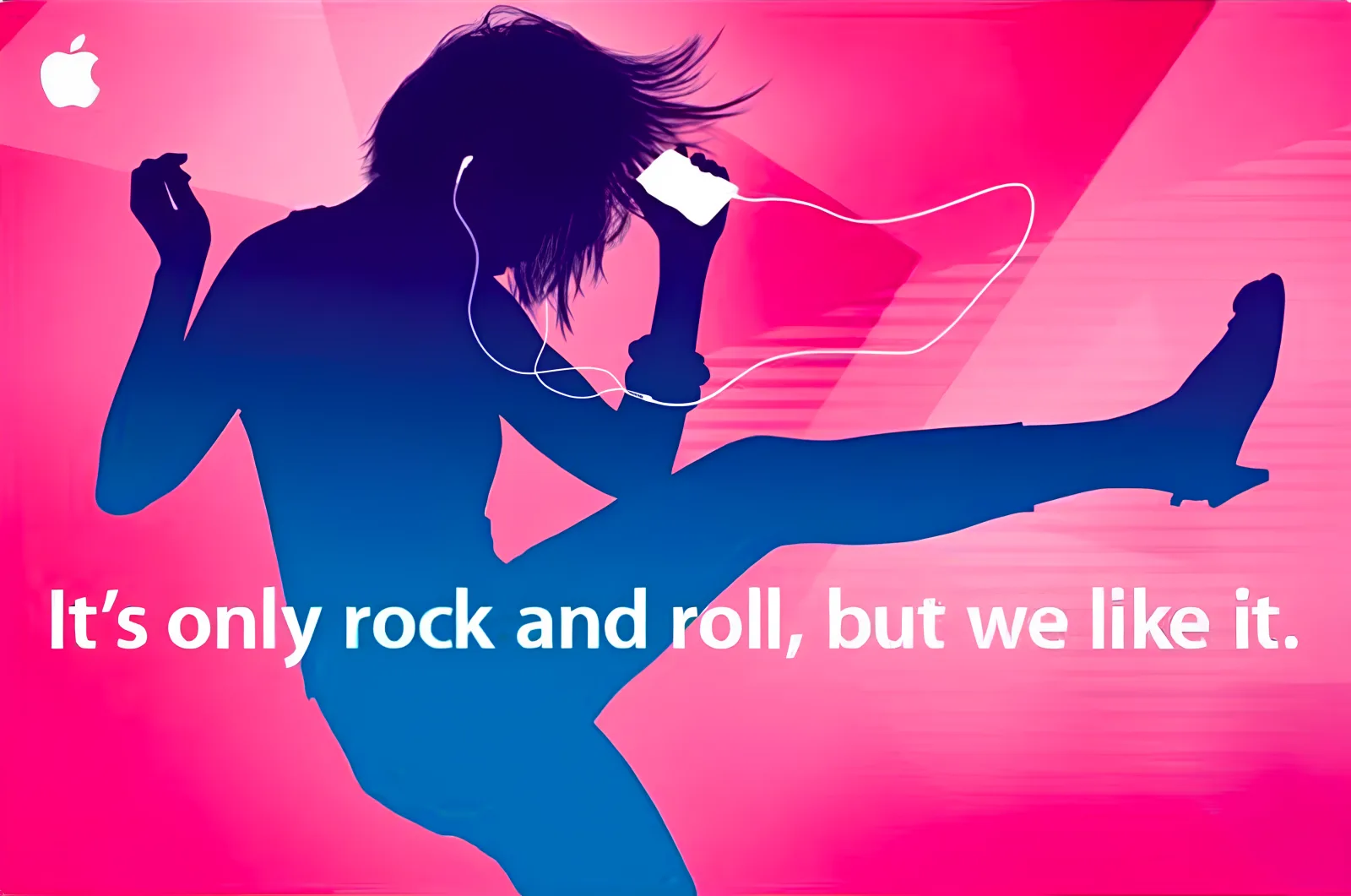

For the next decade, invitations were written as full sentences. This year's biggest music story is about to get even bigger. 1000 songs in your pocket changed everything. Here we go again. We have something you really have to see. And touch. Across the events in the archive from 2001 to 2012, the average tagline is about six words long. The tone was confident and playful, often a wink at what everyone already expected, and it relied on the reader to fill in the blank.
Not every big moment had an invitation. Steve Jobs introduced iPhone at Macworld 2007, a trade show whose keynote happened every January whether Apple sent invitations or not. There, the message came from banners hung across Moscone Center: The first 30 years were just the beginning in 2007, and There's something in the air in 2008, the day before MacBook Air came out of an envelope. Apple stopped attending Macworld after 2009, and from then on, it controlled the whole stage itself.
Shorter lines, bigger puns
Starting in 2013, the invitations got shorter. Across the events from 2013 to 2026, the average tagline is three or four words, roughly half the length of the early years. The lines became puns that only made complete sense after the event.


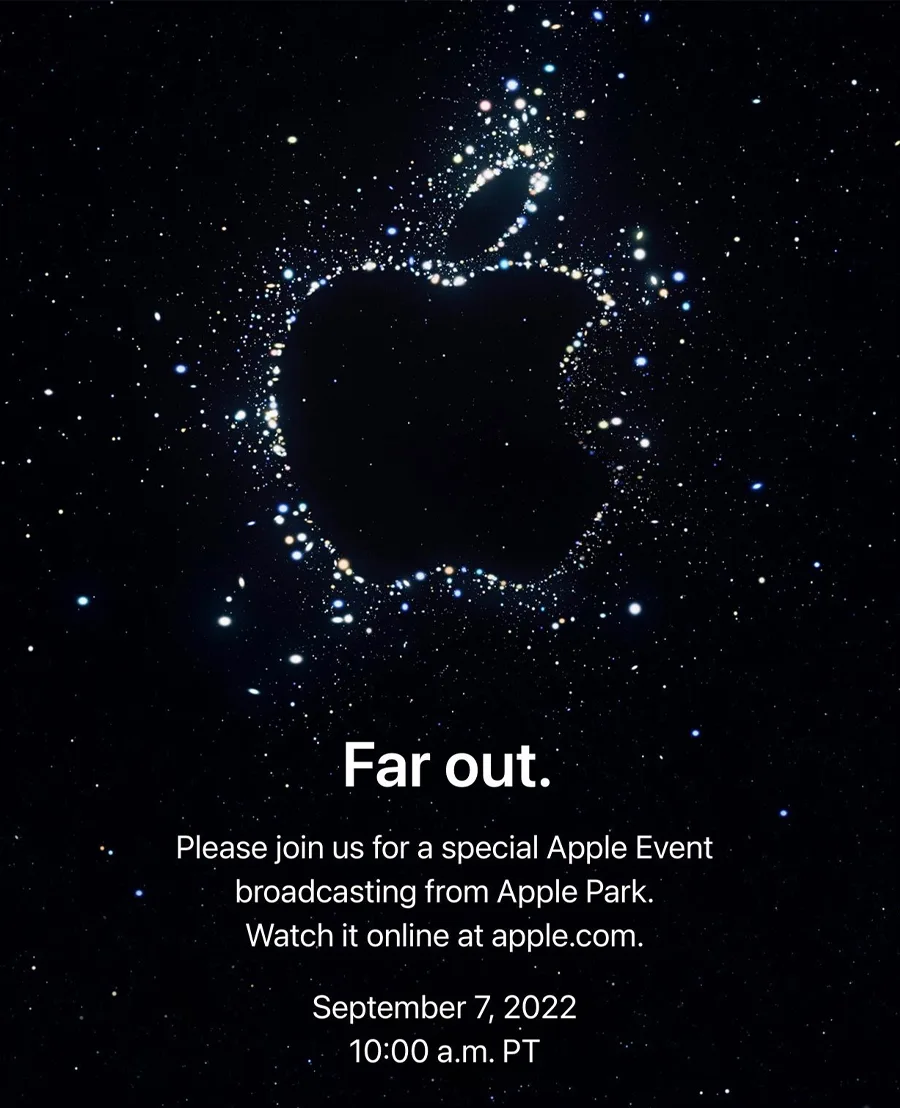
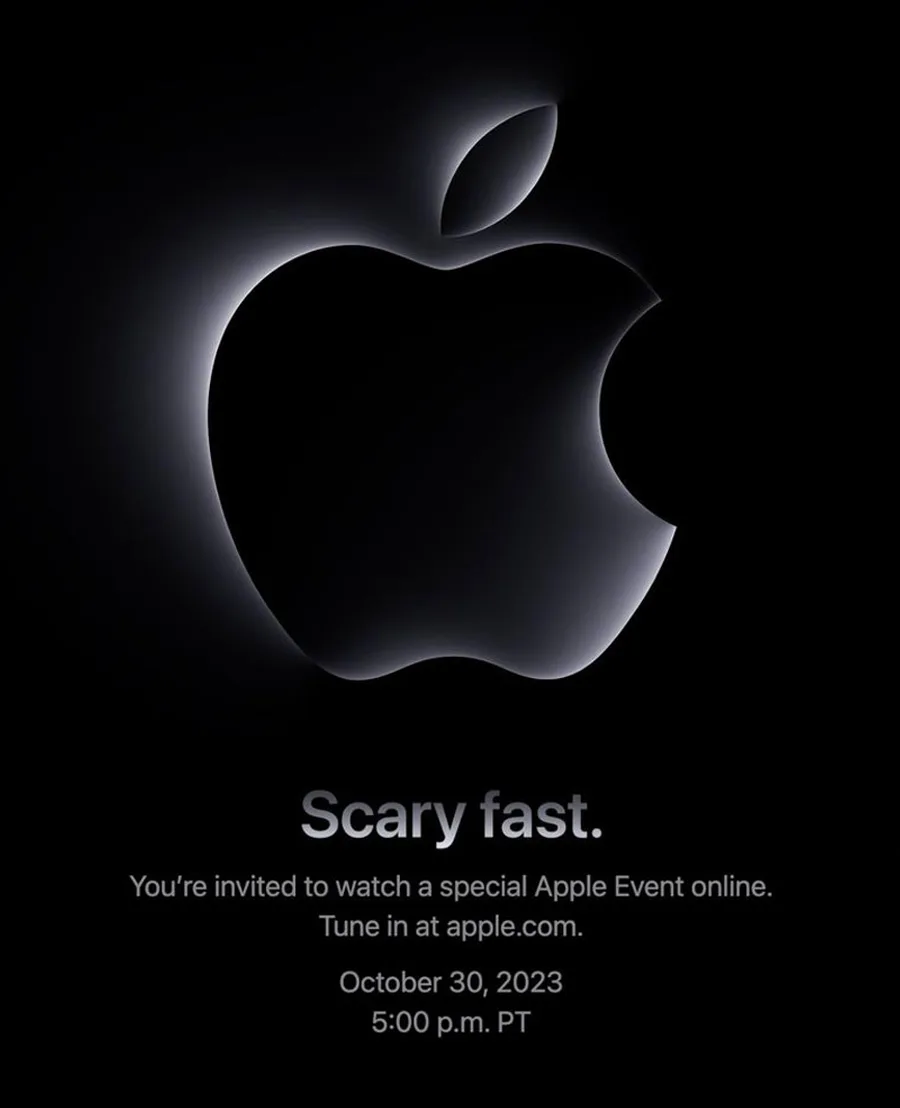

Hi, Speed introduced the first 5G iPhones. Scary fast, timed for the night before Halloween, introduced the M3 chips. Far out hinted at Emergency SOS via satellite, and Awe dropping played on "jaw dropping" for the thinnest iPhone yet. Some lines were jokes about Apple's own secrecy: Wish we could say more came before Apple Watch, and It's been way too long was sent only five weeks after the previous event.
The archive's story on the meaning behind Apple's taglines goes through these hints one by one.
How much notice Apple gives
The archive records when each invitation went out, which makes it possible to measure how far ahead Apple announces its events. For regular Apple events, the pattern has shifted over time:
- 2001 to 2009: about 9 days on average.
- 2010 to 2016: about 8 days, usually a week, sometimes as little as three days.
- 2017 to 2019: about 11 days, after the move to the Steve Jobs Theater.
- 2020 and 2021: exactly a week, or close to it, for the online-only events of the pandemic.
- 2022 to 2026: about 12 days, with every September iPhone event since 2022 announced exactly 14 days ahead.
Smaller, Mac-focused events in October usually get less notice, often around six days. WWDC is different: Apple announces the conference months ahead, in March or April, and the archive keeps that announcement date separately from the invitation to the keynote.
Apple also has a favorite day. Of the 51 regular Apple events in the archive, 23 were on a Tuesday and 15 on a Wednesday. Mondays are rare, used for events like Spring Forward and Scary fast, and weekends almost never: the only Sunday event in the archive is Lights, Camera in 2007, held in Las Vegas during the week of a video industry trade show.
From envelopes to social media
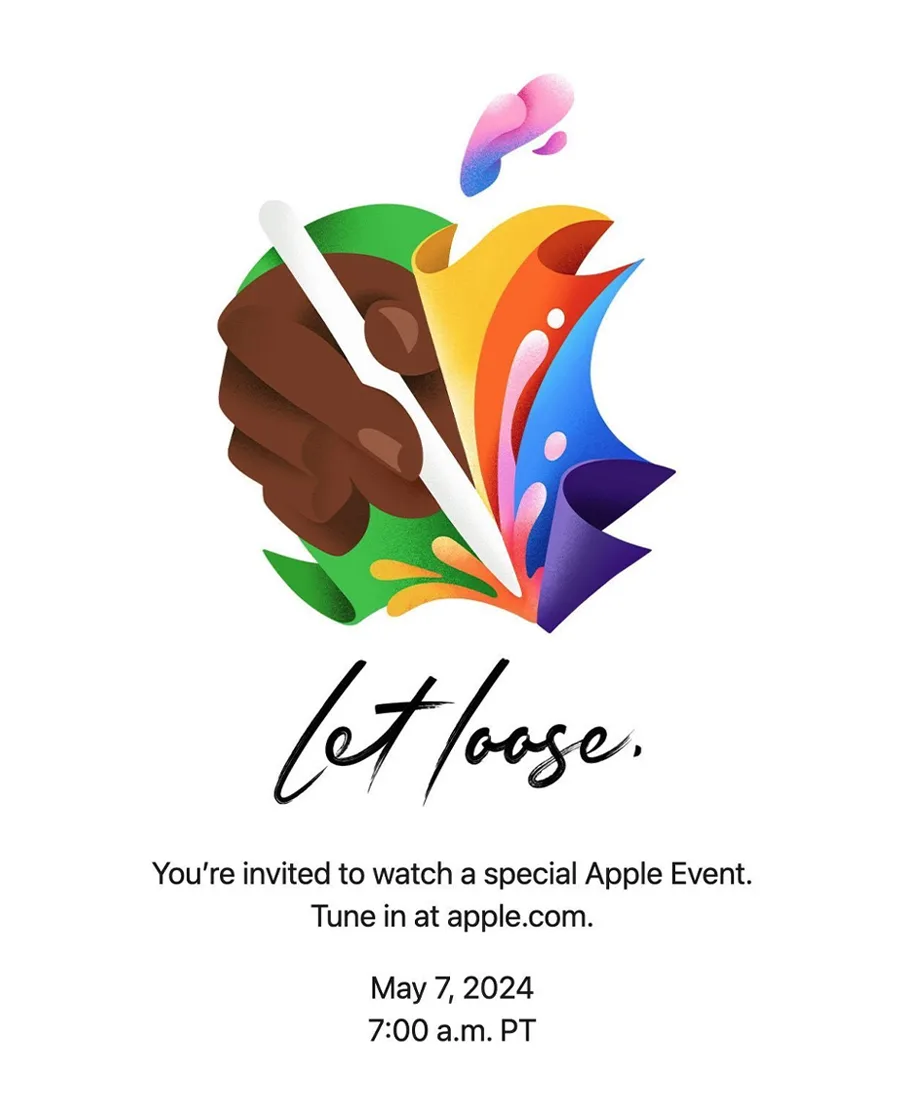
For most of the archive's history, the invitation was the first and only teaser. That changed as Apple executives started using social media. In recent years, Greg Joswiak, Apple's head of marketing, and Tim Cook have posted the invitation, a short video or a hint on X the same morning invitations go out, and often again on the day of the event. Cook's Pencil us in for May 7! before Let loose, or Joswiak's Mmmmm… something powerful is coming before the M5 announcements, did what the printed line used to do on its own.
The archive collects these posts on each event page, alongside the animated teasers Apple has published for many recent events.
When the event became a film
The biggest change came in 2020. With the pandemic, Apple moved WWDC20 online, with the line Full stream ahead, and turned the keynote into a pre-recorded film. Every event that year and the next followed the same format. When audiences returned, Apple kept the film and added hands-on areas for invited guests, a hybrid format that continues today.



The film format changed what invitations could promise. California streaming played on the fact that the event was, once again, streamed rather than staged, and Scary fast ended by revealing that it had been shot entirely on iPhone.
New kinds of invitations
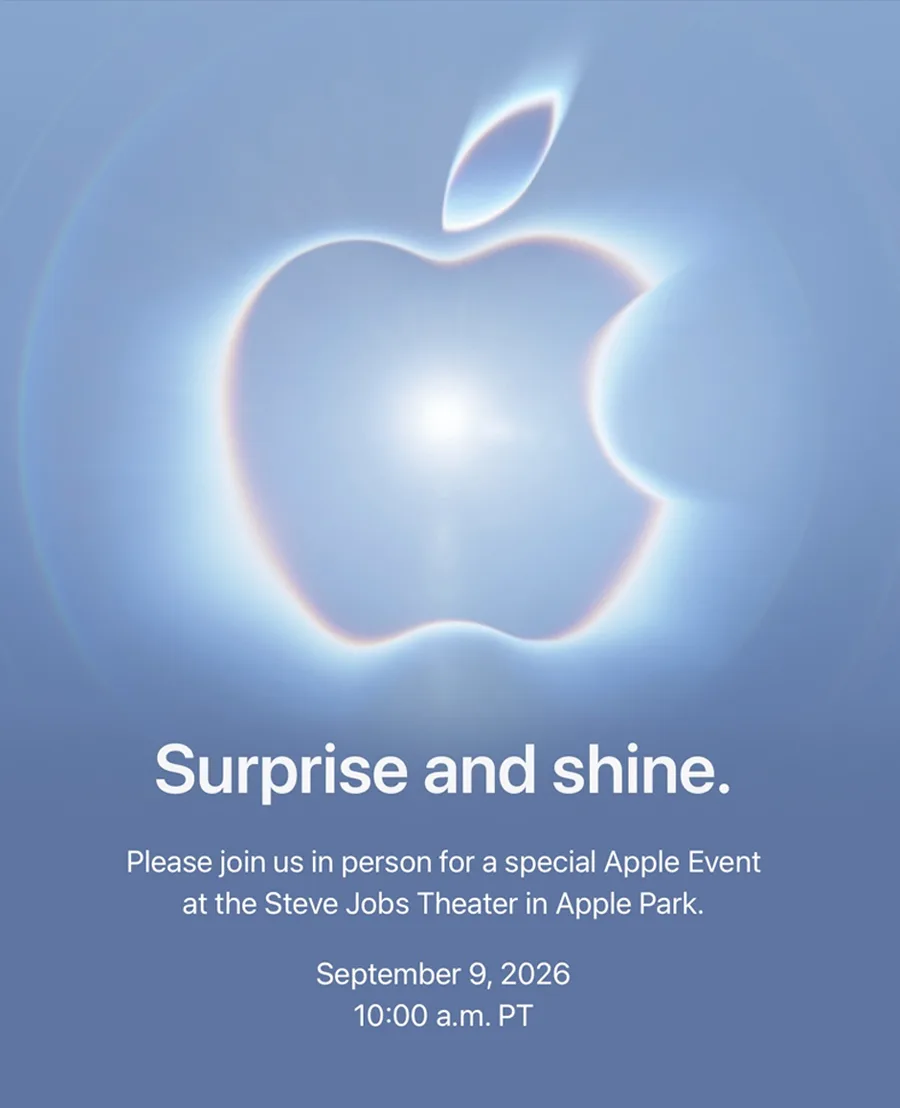
The most recent years have brought formats that didn't exist before. Some announcements arrive without any event: in October 2024, Apple announced a "week of Mac" with a new Mac each morning, and the M5 chip arrived in 2025 through press releases alone. The archive calls these Apple Launches.
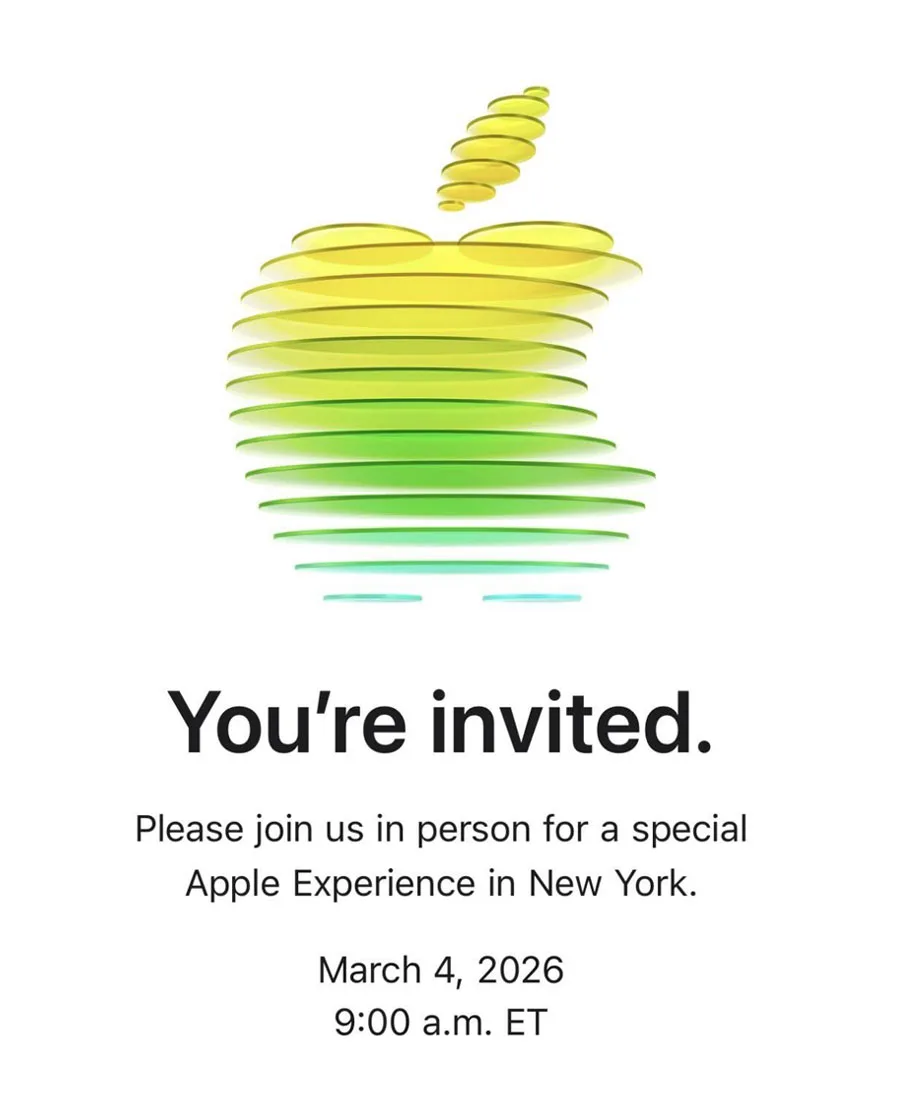
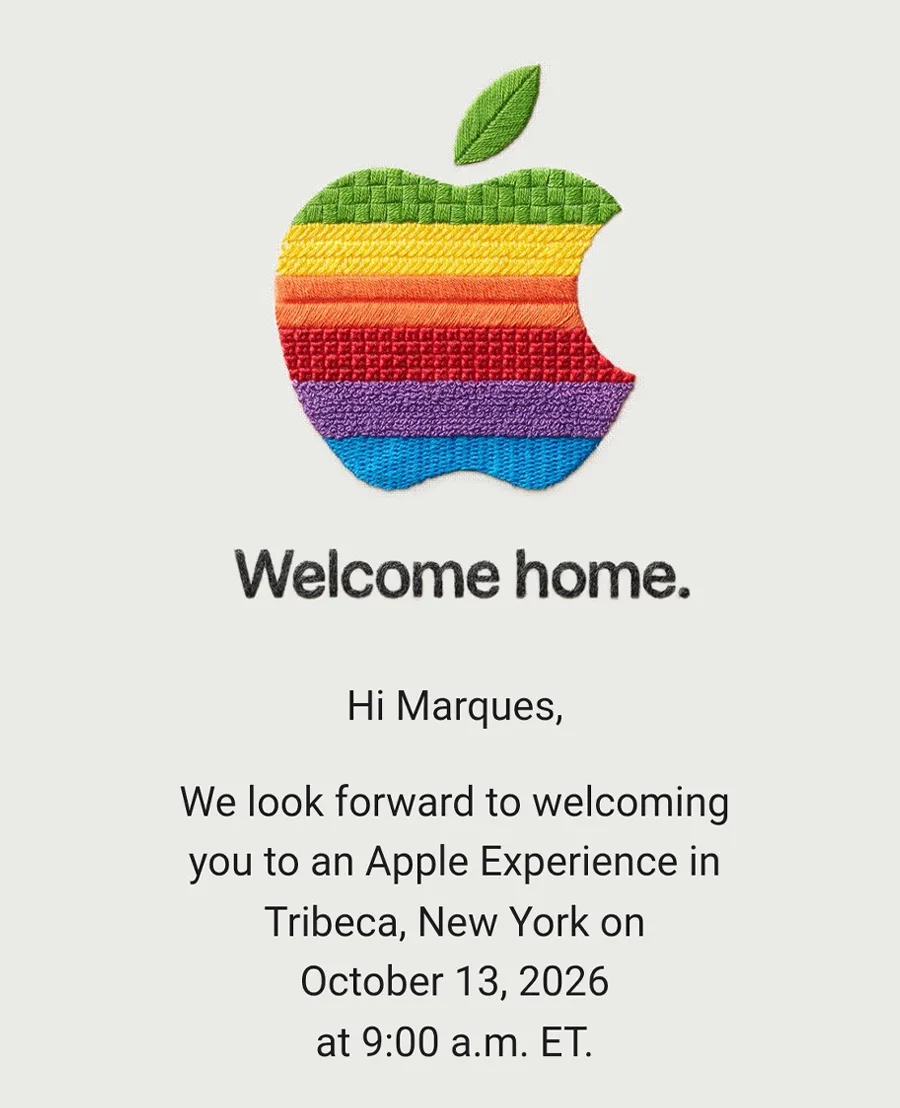
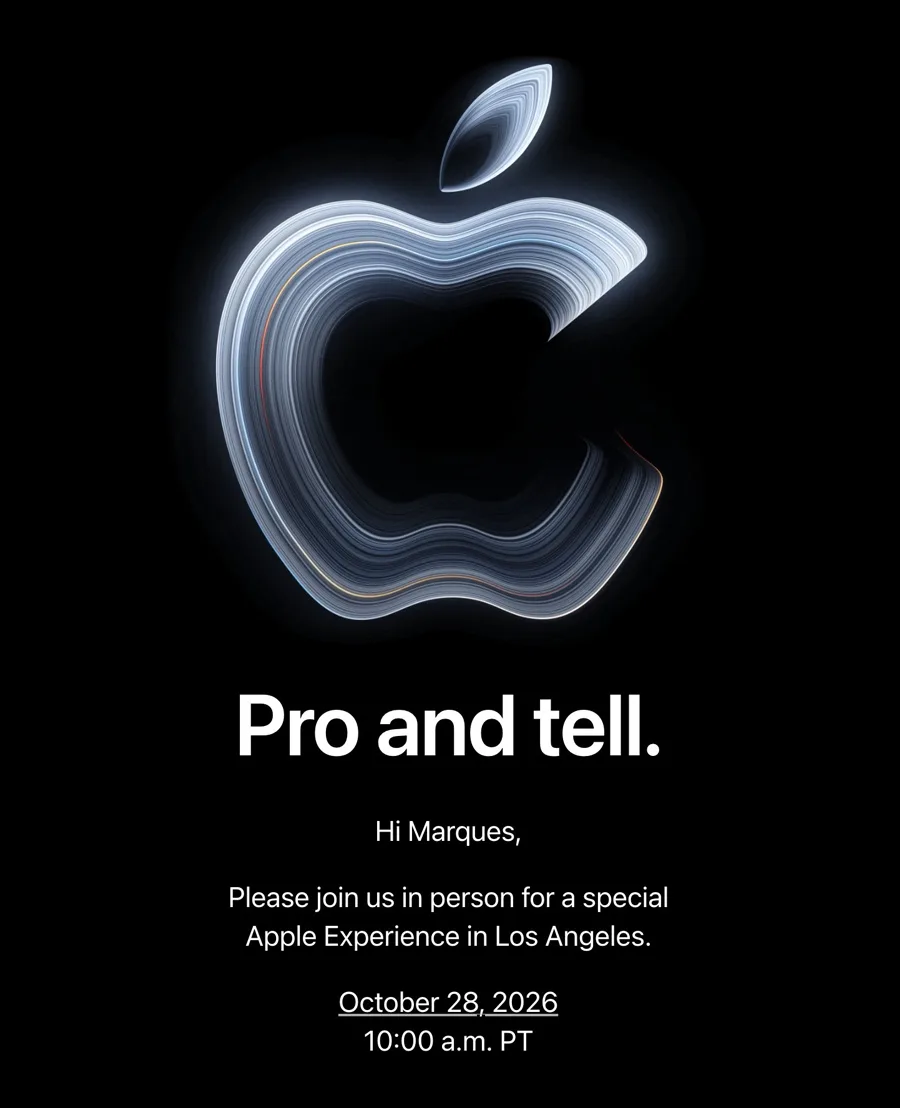
Others are small, in-person sessions for the press rather than keynotes. In March 2026, Apple invited journalists to an Apple Experience held at the same time in New York, London and Shanghai, after a week of daily announcements. Welcome home followed in New York that October, and Pro and tell in Los Angeles.
What stays the same
Twenty-five years after Hint: It's not a Mac, the formula is recognizable. The invitation still names a date and a place, never a product. It still asks the reader to guess. And it still works because Apple's events have a reputation for surprises, even when the rumors have already revealed most of them.
You can browse every invitation by year, by color, or try to guess the year of an invitation from its design alone.